Nurturing Youth: Building a Compassionate Learning Environment in Schools
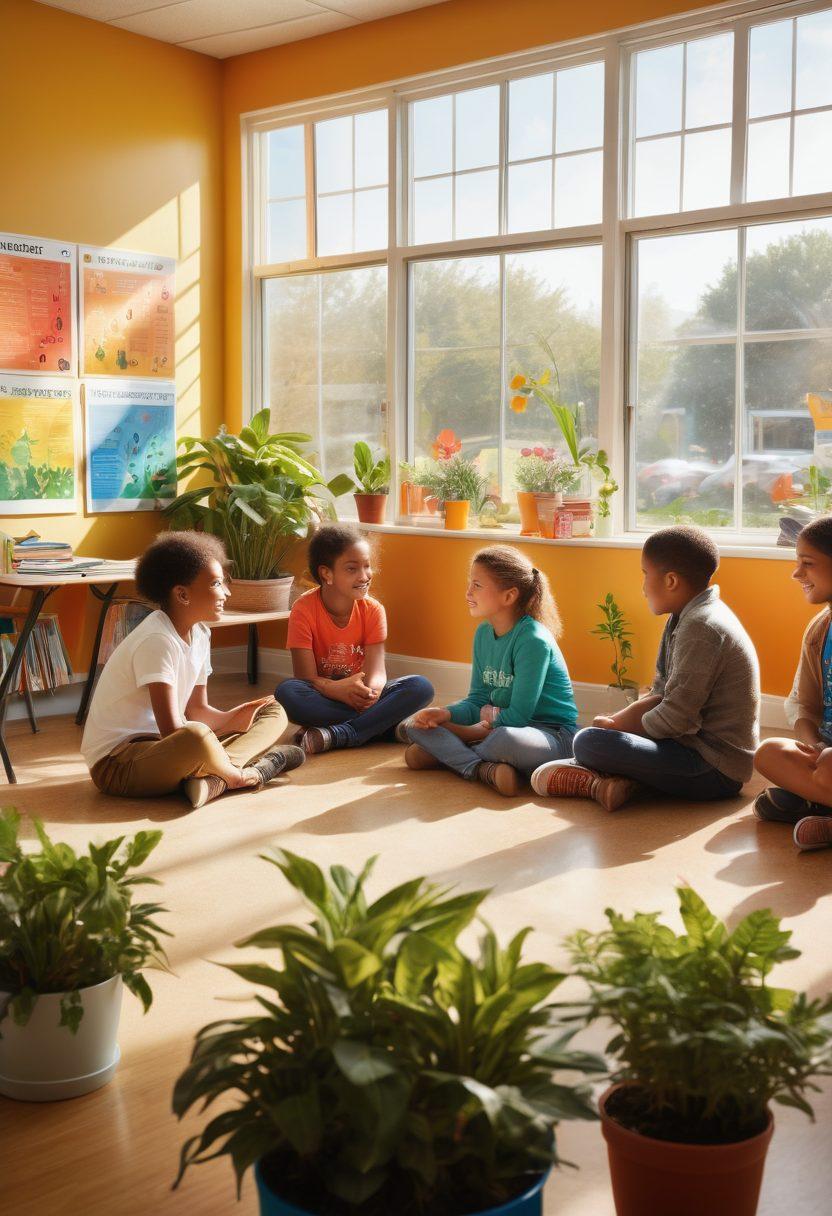
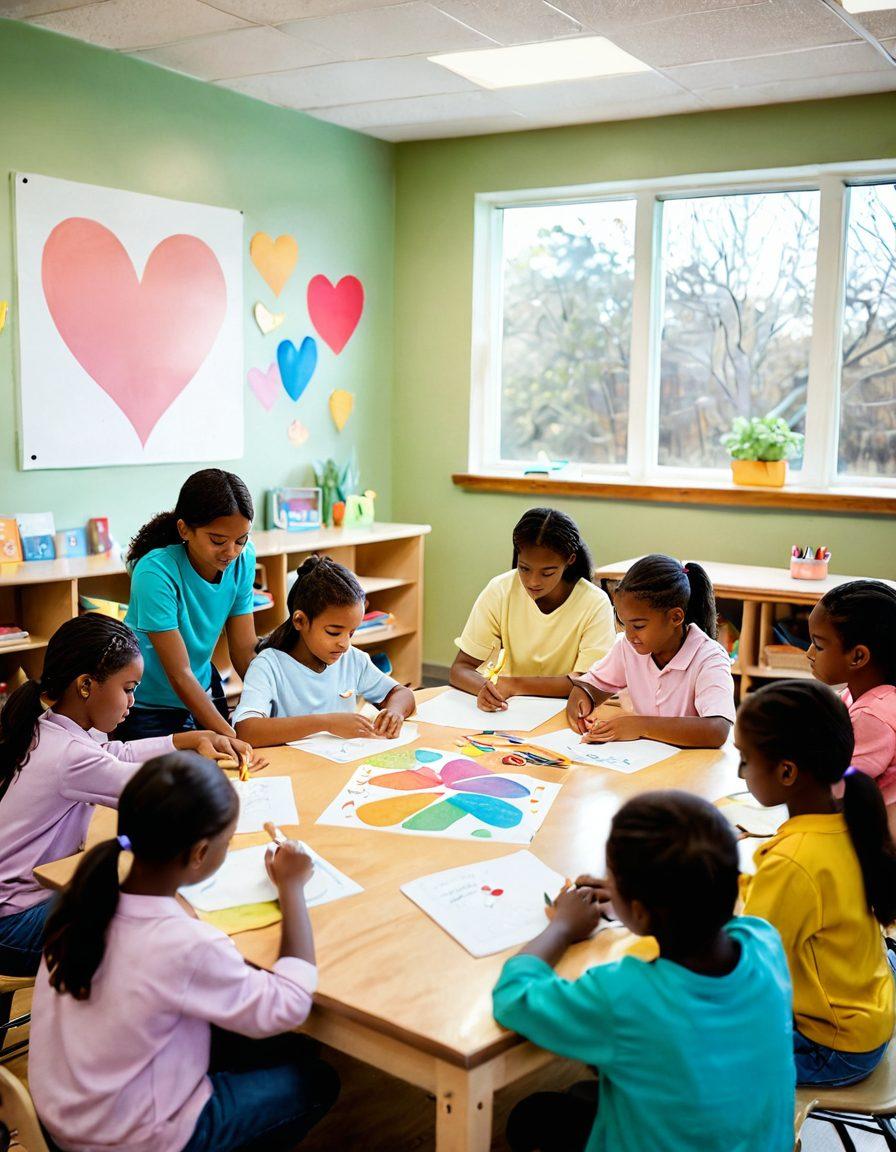
Imagine stepping into a school where every student feels like they belong, where affection flows as freely as knowledge, and care is not just a policy but a palpable presence. In such an educational institution, students thrive not just academically, but emotionally and socially. The endeavor of creating a supportive space for student growth is more than mere idealism; it is essential for nurturing compassionate citizens of tomorrow. In a world where youth education is constantly evolving, building a learning environment rich in love and understanding is paramount.
As we consider the delicate hearts and minds of students, it's crucial to ask ourselves: what does fostering affection truly mean within the walls of an academic facility? Is it merely a matter of kindness, or is it the deep-rooted belief that every child deserves the opportunity to shine? The answer lies in the combination of empathetic teaching and robust community engagement. When educators and families unite in their commitment to compassionate pedagogy, magic happens. Students soak in the support like a sponge, and their exponential growth becomes a beautiful tapestry woven together by love and belief in one another's potential.
Let's explore the impact of affection and care in our schooling systems. Picture a youth education initiative where teachers prioritize mental wellness as much as academic success. This could take form in developmental programs that not only teach the curriculum but also weave in life skills and emotional intelligence. Consider how nurturing relationships and a sense of belonging could fuel a student's motivation to attend school, engage in extracurricular activities, and embrace learning experiences. Wouldn't that transform not just individual lives, but entire communities?
One might wonder how parents fit into this narrative of compassion and care. Parenting is a partnership, after all. Schools should encourage family involvement, inviting parents not only to attend plays and sports events but to become a part of the educational journey by helping shape developmental programs and participating in community service projects. Imagine the ripple effect of bringing families into the fold; it creates a web of support for students, enhancing the emotional climate of the learning environment and allowing children to see that their entire community champions their success.
As we wrap up this exploration of fostering affection in our schools, it's evident that supportive spaces for student growth are not just luxuries; they are necessities. What can each of us do to contribute to this compassionate ecosystem? It starts with small acts—offering a smile, showing understanding, listening to a student's story—these gestures create ripples of positive change. Let us challenge ourselves to be the bearers of affection in our educational institutions. After all, as the saying goes, 'People don’t care how much you know until they know how much you care.' Together, let’s build a world where every student feels loved, valued, and empowered to reach their full potential.
Compassionate Teaching: The Heart of Effective Youth Education
Compassionate teaching is not just a methodology; it’s a way to create a nurturing space within educational institutions that allows students to thrive. When we speak of compassion in education, we refer to the genuine affection and care teachers demonstrate toward their students, creating a learning environment that feels safe and supportive. But why is this so crucial? Consider this: When students feel understood and valued, they’re more likely to engage in their schooling and take risks in their learning. What if our schools became vibrant communities where both students and teachers uplift one another, driven by a shared goal of growth?
Imagine walking into an academic facility where the first thing you notice is the warmth between students and teachers. Picture educators approaching their pedagogy with a heart full of compassion. A compassionate teacher doesn't just deliver lessons; they cultivate relationships, fostering a sense of belonging among students. This narrative is powerful because it redefines the teacher-student dynamic, transforming it from mere instruction into a partnership that encourages emotional intelligence and resilience. Wouldn’t it be amazing if every classroom could feel like a second home to our youth?
At the core of compassionate teaching is the understanding that every student comes with their own story, challenges, and aspirations. By incorporating developmental programs that emphasize emotional awareness and social skills, educational institutions can equip students with the tools they need to navigate life beyond the classroom. Moreover, active engagement in extracurricular activities provides opportunities for students to showcase their talents and passions, building self-esteem and empathy. So, how can we, as educators and parents, ensure our young adults are receiving not just knowledge but the life skills they desperately need?
A vital component of nurturing a compassionate learning environment is family involvement. When parents engage in their children’s schooling, they create a strong support system that shows youth the importance of education and community engagement. Schools that foster such partnerships tend to see improved student performance and well-being. This leads us to ponder: do we, as a society, value the collaboration between families and educational institutions enough? What steps can we take to strengthen these ties and instill compassion in our youth’s experience of school?
In today's fast-paced world, the call for compassionate teaching has never been more critical. It extends beyond academics and taps into the essential traits needed for successful, well-rounded individuals. As educators, we must commit to embedding care and compassion into our pedagogical approaches, ensuring that every student feels cherished and understood. Let’s make it our mission to remember that teaching isn’t solely about imparting knowledge; it's about touching lives, cultivating kindness, and fostering an heartening environment in which the youth can truly flourish. The question remains—what legacy of compassion are we building for the next generation?
Building Bridges: The Role of Community and Family in Nurturing Young Minds
In today’s fast-paced world, nurturing the youth goes beyond textbooks and classrooms; it encompasses a holistic approach that involves family, community, and compassion. As we explore the role of family and community in shaping young minds, we must remember that a robust educational institution is not just a space for academic achievement but a thriving environment where affection and care help students flourish. How can we build these essential bridges that foster such growth?
Imagine a school where every child feels valued, cared for, and understood. This is achievable through a strong partnership between families and educational facilities. When parents engage actively in their children's schooling—through volunteering, attending meetings or participating in developmental programs—they not only enhance their child’s learning environment but also model the very compassion they wish to see. Family involvement is the bedrock of successful education; it teaches students that learning is a shared journey. Can we envision a future where this is the norm?
Community engagement is equally vital. Schools are not isolated entities; they are part of a larger societal fabric. When communities rally together to support local educational programs and extracurricular activities, they empower students and bolster academic excellence. For instance, mentorship initiatives that connect young people with local leaders can ignite passions and expose youth to new perspectives. In this context, teaching transcends traditional pedagogy—it becomes a shared mission where everyone plays a role. How can we leverage community resources to enrich our schools further?
Caring for young minds means creating a learning environment where students feel safe and encouraged to express themselves. It requires affection not just in the home, but also in schools, where educators adopt a compassionate approach to teaching. Compassionate teaching nurtures resilience in students, allowing them to navigate the ups and downs of schooling. With teachers who understand and prioritize emotional health, youth education can thrive, leading us to ask: what else can be done to enhance mental well-being within our schools?
Ultimately, building these bridges between family, community, and schools is about more than just academic success; it's about crafting a compassionate culture that honors every student’s potential. When parents, educators, and community members work hand in hand, the impact is profound. Students not only achieve academically but also develop into empathetic, socially responsible individuals, ready to face the world. Let's reflect on how we can collectively contribute to nurturing every young mind—after all, the future is in their hands.